Every compound in Nigeria has a wall, a gate and a padlock, and every owner assumes those protect the solar installation too. A wall keeps out a determined person with time. It does nothing about an opportunistic thief who can see a lithium bank through a kitchen window, and nothing about a battery mounted on the same wall as the front gate. Solar system security is a separate problem from burglary prevention, and its answers come down to where things are and what they are screwed into.
Start from the asset, not the product. A home system has four things worth taking: the battery bank, the inverter, the cable, and now and then a set of panels. Everything else is structure and wiring. That list decides which measures are worth money and which are decoration.
What actually needs protecting
Rank the assets by what a thief can do with them, not by what they cost you. The bank comes first: valuable, in demand, easy to test. The inverter is second: valuable, identifiable, and taking it disables your system until a replacement arrives, which in practice is weeks. Cable is third, easy to cut and sell by weight. Panels are last, for reasons in solar panel theft: a module is heavy, brittle and worth little second-hand.
Then rank by ease. A bank in a ventilated store with a steel door is a different proposition from one bolted to an open rear wall where anyone in the lane can see it. An inverter two metres up on a rear face differs from one at waist height beside the front gate. Siting beats hardware and costs nothing when done first.
Solar system security starts with where things are sited
Decide the position of every device before anything is drilled, because moving an inverter or a bank later means new cable, new fixings and a new hole in a wall.
| Siting choice | Security problem it creates | Better option |
|---|---|---|
| Battery bank on an outer wall facing the street | Visible, described to a passer-by, and reachable with short tools | Inside a store, garage or rear room, above head height, out of sight from the road |
| Inverter mounted at waist height outside | Obvious, accessible and easily described to a thief | High on a rear or side wall, under cover, out of the front view, with a door contact if the budget stretches |
| Bank stored in a kitchen or near a cooking fire | Heat, and a fire consequence that is not worth the saving | A separate ventilated space, shaded, away from flames and cooking |
| Cable run at the most accessible point on the wall | The shortest cut on the whole installation | Route the run high or through conduit at a less obvious point, and check it every walkthrough |
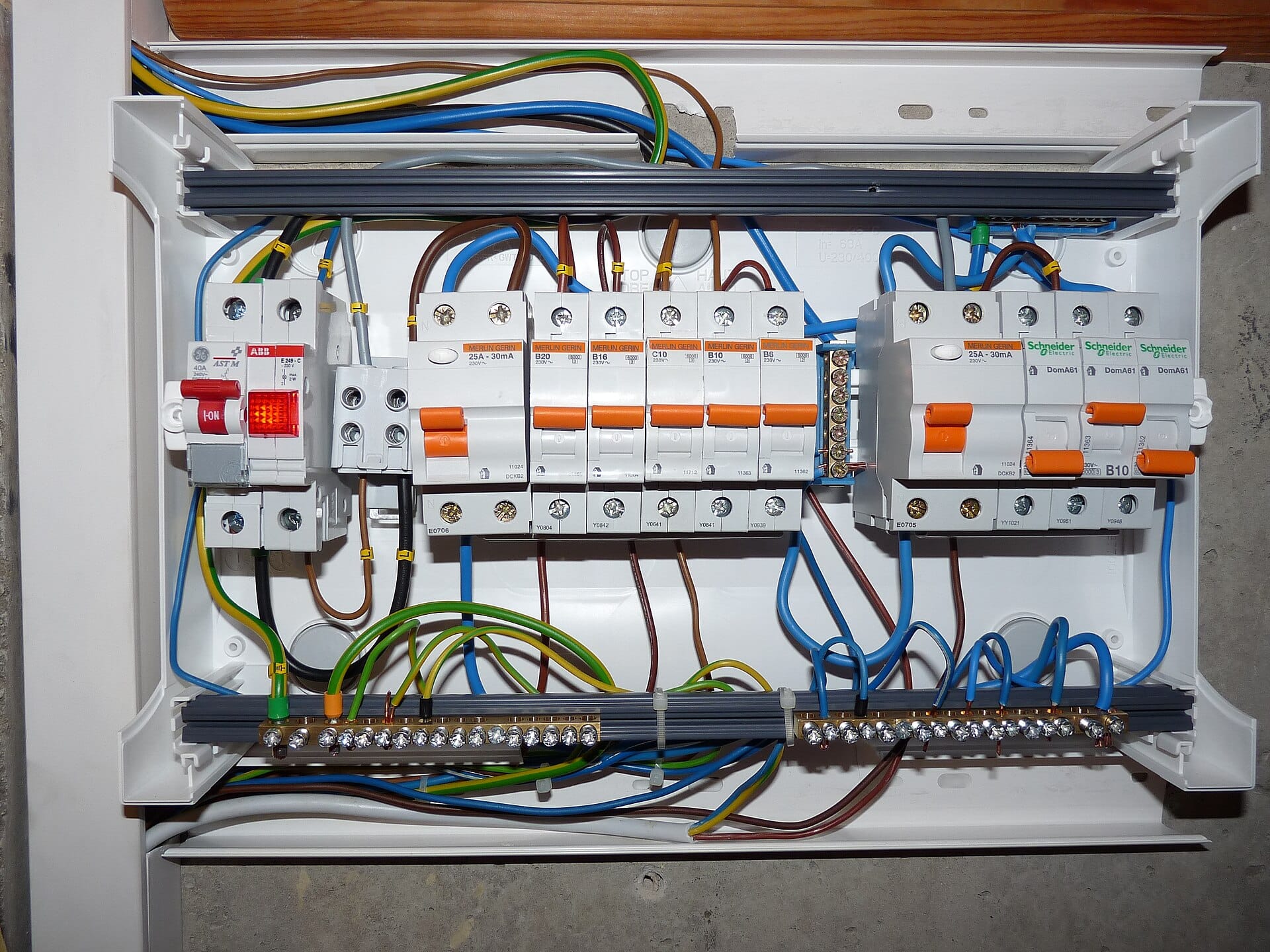
| Distribution board and AC isolator in the open porch | Both an entry point for tampering and a temptation to cut power to force entry | Inside and lockable, with the isolator reachable by the owner and not by a passer-by |
One caution about the fire reasoning, because it is easy to over-apply. A battery in a kitchen is a poor idea for both reasons, and solar fire safety covers the second. But the instinct can be pushed too far, and a bank sealed into an unventilated store to keep it out of sight has traded a theft risk for a thermal one. Shade, ventilation and concealment are compatible; a sealed cupboard is not.
Lockable enclosures and the details that decide them
Once the position is right, the enclosure matters less than people assume and its details matter more for system security. A wall-mounted steel cabinet with a cam lock and a multi-point lock does most of the work available to a household. The failure points are always the same four.
The hinges are first. Surface-mounted hinges come off in about a minute, and a sheet-metal cabinet with a good padlock and bad hinges is a padlock on a door that swings off. Flush or tamper-resistant hinges remove that. Second is the wall fixings: a cabinet screwed into plasterboard, or into blockwork with plastic plugs, leaves with the plasterboard. Masonry anchors into solid concrete are the answer, and asking to see them is fair. Third is the access panel on larger floor-standing cabinets, often secured with small machine screws. Fourth is the door seal, because a warped seal on a steel cabinet in a rainy season is what makes rust and then failed electrics.
Where a cage is used instead of a cabinet, remember the ventilation constraint. A welded mesh cover over an open rack raises the effort required substantially and blocks nothing, if the spacing is coarse enough for air. Perforated plate does not, and the battery pays for that choice. The general principles of physical security are unglamorous and unchanged across building types: layers, distance, time and delay, in that order of reliability.
Cable concealment and the run everyone forgets
Cable is the item that gets omitted, because it is invisible in a quotation and does not look impressive. It is also the easiest thing on a system to steal and to damage by accident, so it deserves the same attention as the hardware.
Rigid conduit or steel ducting along the route does three things at once. It makes cutting slower and louder, it protects the insulation from the ultraviolet exposure and rodent damage behind the faults in installation and wiring safety, and it makes inspection trivial because the whole run is visible. Trunking is adequate indoors. For an external run in a Nigerian rainy season, conduit with proper glands and a drip path is the version that ages well.
The other half is knowing where your own cable is. Fill in the one-line diagram in the maintenance checklist, mark the cable route on a photograph of the building, and leave both in the house file. A wall opened during a burglary is a common reason people cannot say where anything was, and two pages of document solves it.
Lighting, sightlines and knowing someone has been there
Detection is worth adding to deterrence rather than replacing it, and the useful options are inexpensive. A motion-activated light over the bank and the inverter removes the darkness that lets a person work unseen, and it is the most effective addition to a poorly lit compound. It is also a change neighbours appreciate.
A contact on the cabinet door that notifies a phone is a second layer. It prevents nothing, and that is fine, because its job is different: it tells you the door was opened, which is evidence, and it tells you sooner than a walk round the compound next morning. solar monitoring security covers the parallel point on the electrical side, where a monitor reporting a sudden disconnection does the same job for a different fault.
Where a camera already exists, point it to cover the approach rather than the device. Footage of somebody walking up to a wall cabinet is useful; footage of the cabinet is less so. For a business installing a camera for this purpose, the network side matters as much as the field of view, and CCTV and smart home security covers the hardening that keeps footage private.
A walkthrough checklist for an existing installation
Twenty minutes, with a phone, checking these in order. Start at the street and look at the building the way somebody casing it would: what is visible, what is reachable, what could be carried away in a bag.
- Stand where a passer-by stands. Can you see the inverter, the battery or the distribution board? If yes, move the device or screen it with something solid.
- Check the cable run. Is any of it on open wall at low level, near a gate, or where a hose or a child would hit it? Note every point for conduit work.
- Test the enclosure. Push the door, lift the leaf, look for exposed hinge screws and fixings that look like plugs rather than anchors.
- Look at the fixings on the array and any ground-mounted frame. Does anything lift by hand?
- Turn on the security light at dusk and stand in the area it is meant to cover.
- Check the house file: is there a current one-line diagram, a list of serial numbers and a written shutdown procedure?
- Confirm the monitoring system is still reporting, and that you are the only person with an account. solar monitoring security covers why that last clause matters.
Write the findings down with dates. Solar system security that is only fixed when somebody remembers it is not fixed, and the point of a walkthrough is that it produces a short list rather than a feeling.
Frequently asked questions
Is a padlock on the battery cabinet enough?
On a well-built steel cabinet with a good lock and tamper-resistant hinges, it is most of what a household can reasonably buy. On sheet metal, a padlock secures the padlock. The hinges and wall fixings matter more than the lock brand, and those are the parts to inspect above.
Should I put the solar inverter outside or inside?
Inside a dry, ventilated, lockable space, if the manufacturer permits it, because weather, tampering and theft risk are all lowest there. Outside is acceptable with a rated enclosure under cover. Either way, the access restrictions and clearances in the inverter manual still apply, and the fire and siting reasoning above is separate from theft.
Ownership does not change who is responsible, so decide early and in writing who replaces a stolen inverter, who holds the monitoring account, and who is called when the fire service arrives. The account detail is the one that gets missed and it is the one that causes arguments six months later, so name a single owner of that account.
Key Takeaways
- Rank protection by what a thief can do with it: battery bank first, inverter second, cable third, panels last.
- Siting beats hardware, costs nothing when done before installation, and is the single biggest improvement available.
- Hinges, wall fixings, access panels and door seals decide whether an enclosure works, not the padlock.
- Conduit along the cable run slows theft, protects the insulation and makes inspection possible.
- A motion-activated light and a door contact buy you information, which is what detection is actually for.
- Do the street-level walkthrough twice a year and write the findings down with dates.
If you are at the stage of choosing equipment rather than protecting it, battery bank sizing decides how much you are putting behind a lock in the first place.
Sources: Physical security, the layers of deterrence, delay and detection; Punch, recovery of about eight million naira of stolen solar equipment; Guardian Nigeria, NSCDC arrests over stolen lithium batteries in Lagos.


0 Comments